Game History & Culture

1970s Macau gambling district at night with neon Portuguese-Chinese signage and the Hotel Lisboa facade

Macau: From Portuguese Trading Port to Asia’s Casino Capital

Macau is the largest gambling market in the world by gaming revenue — by a margin so wide that the second-largest market (the Las Vegas Strip) takes in less than a fifth of what Macau processes in a normal year. The reason is not chance. Macau is the only place in the Chinese-speaking world where […]

Macau: From Portuguese Trading Port to Asia’s Casino Capital Read More »

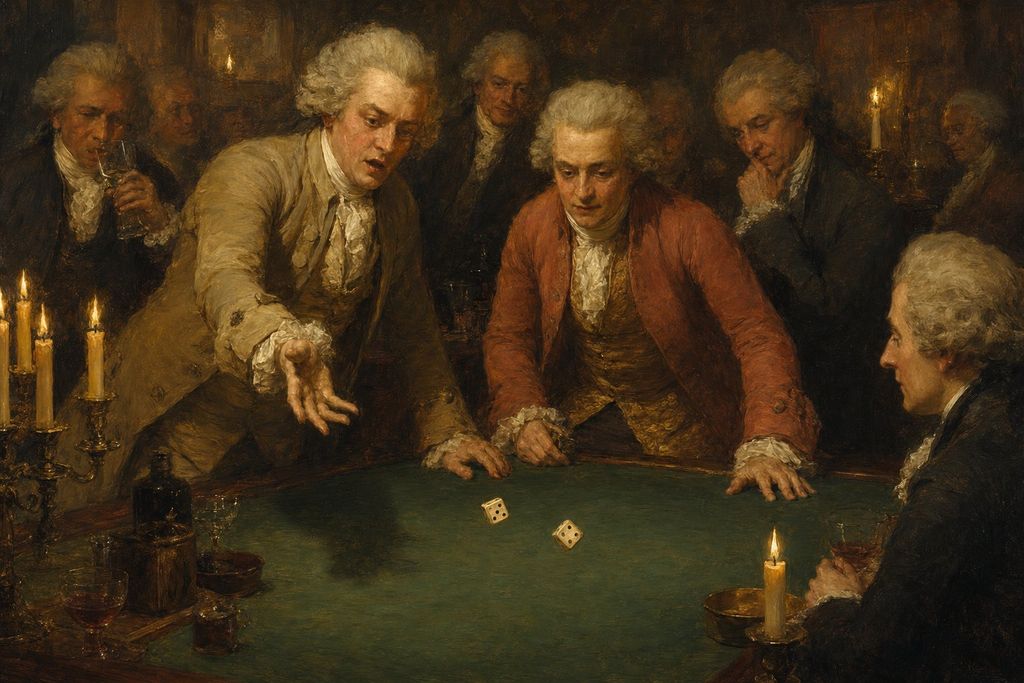
Eighteenth-century English gambling hall with two gentlemen rolling dice on green baize, candlelit

Hazard: The Medieval Dice Game That Became Craps

If you have ever played craps and wondered why the rules are so complicated — why a “shooter” rolls until something specific happens, why some numbers are “naturals” and others “craps”, why the language sounds half-medieval — the short answer is that craps is the simplified American version of an English game called Hazard, which

Hazard: The Medieval Dice Game That Became Craps Read More »

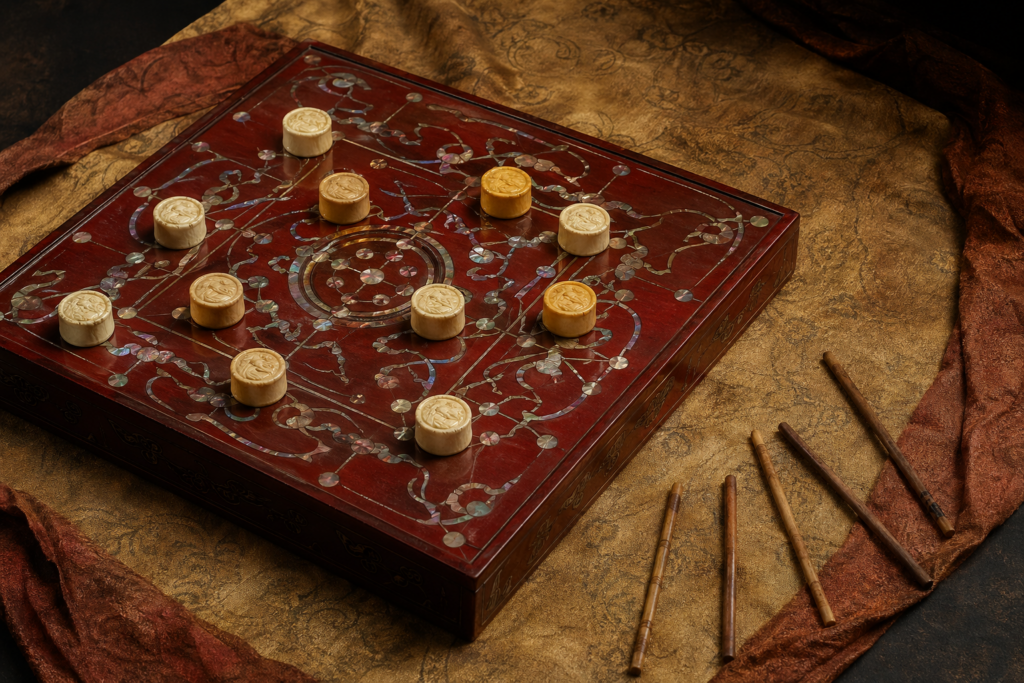
Reconstructed Mawangdui Liubo board with twelve carved bone playing pieces and six bamboo throwing sticks

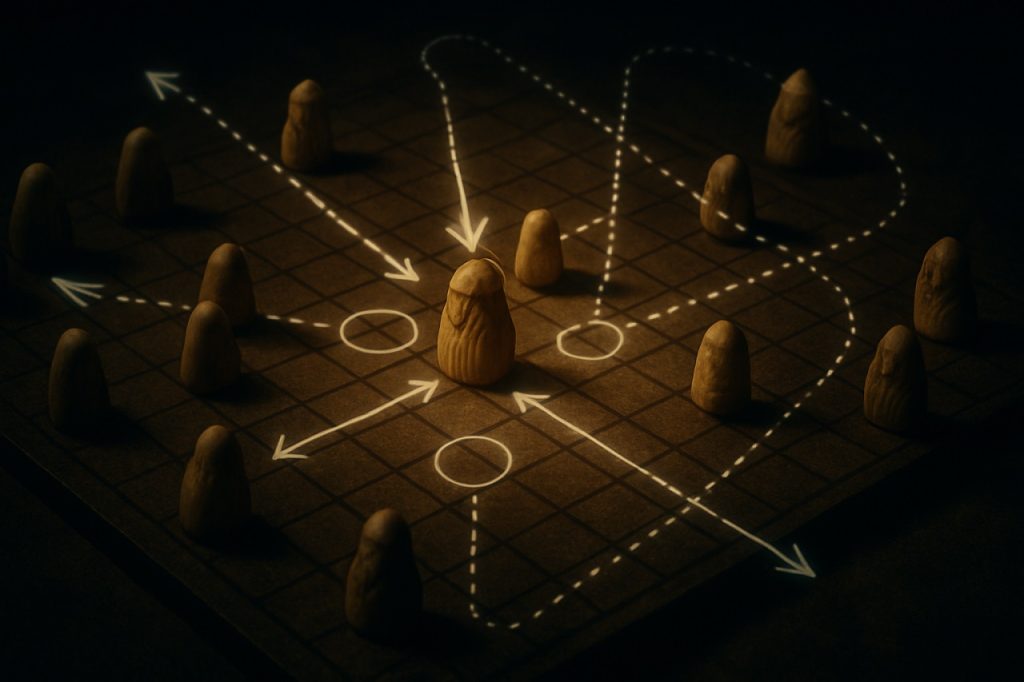
Liubo: The Lost Han Dynasty Board Game

In 1972, archaeologists excavating an aristocratic Han-dynasty tomb in Mawangdui, near Changsha in Hunan province, opened a sealed lacquer box and recovered what is now considered the most complete surviving set of one of the most important board games of ancient China. The set was a complete Liubo board, with twelve playing pieces, six bamboo

Liubo: The Lost Han Dynasty Board Game Read More »

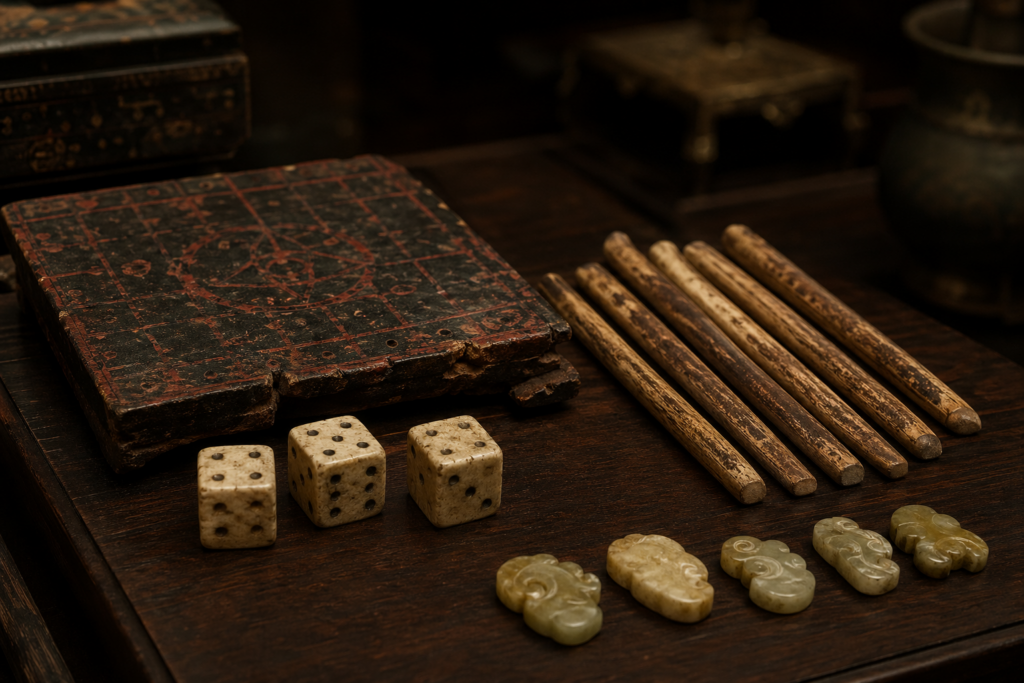
Han dynasty Chinese ivory dice and a Liubo board fragment with the cosmic TLV pattern, museum display

Ancient Chinese Dice and Board Games: From Liubo to Sic Bo

Sic Bo’s three-dice shaker is the visible end of a tradition that runs back at least two thousand years through Chinese gaming history — and the dice themselves are not even close to the oldest piece of that tradition. Long before cubic dice arrived in China from the Greco-Roman world, gambling in Han-dynasty courts ran

Ancient Chinese Dice and Board Games: From Liubo to Sic Bo Read More »

Can You Play Ancient Games Online? A Player’s Guide

Most ancient board games are still playable today — sometimes through interactive web recreations, sometimes through downloadable mobile apps, sometimes through faithful reconstruction kits sold by museums. The tricky part is knowing which versions are historically accurate versus which are loose modern adaptations using the name. This guide covers the major ancient games we cover

Can You Play Ancient Games Online? A Player’s Guide Read More »

Gambling in the Ancient World: From Mesopotamian Dice to Roman Lotteries

Humans have been wagering on uncertain outcomes for almost as long as recorded history. The oldest gaming dice ever found come from Mesopotamia around 3000 BCE. Loaded dice — designed to cheat — have been excavated from Pompeii. The Bible references casting lots; Tang dynasty China ran state lotteries to fund the Great Wall; Roman

Gambling in the Ancient World: From Mesopotamian Dice to Roman Lotteries Read More »

Games of the Silk Road: How Trade Routes Spread Ancient Games

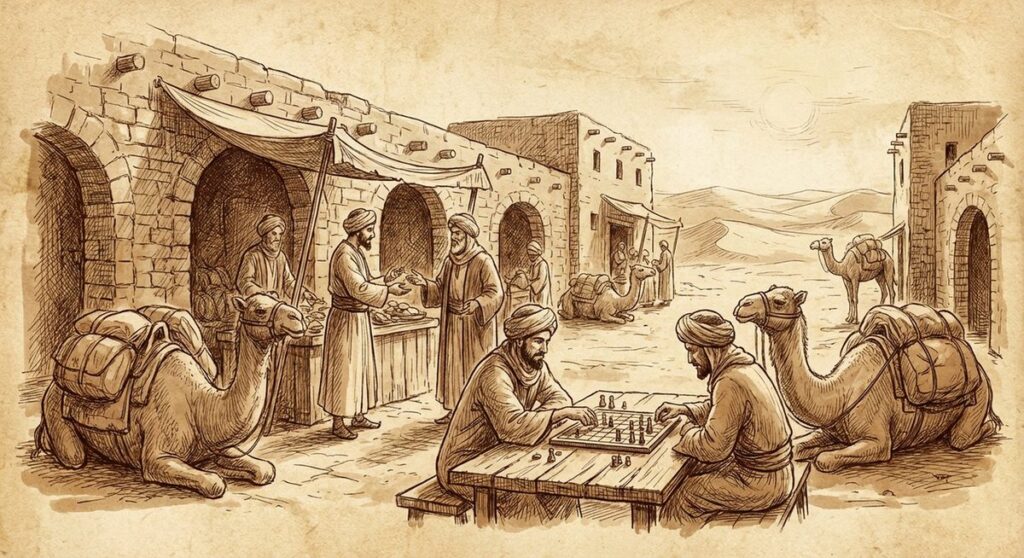
The Greatest Game Migration in History When we think of the Silk Road, we imagine camel caravans laden with silk and spices, moving slowly across deserts and mountain passes connecting East and West. We think of merchants, monks, and diplomats traversing thousands of miles between Chang’an and Constantinople. But among the bolts of silk, the

Games of the Silk Road: How Trade Routes Spread Ancient Games Read More »

The Oldest Board Games Ever Discovered: A Journey Through Time

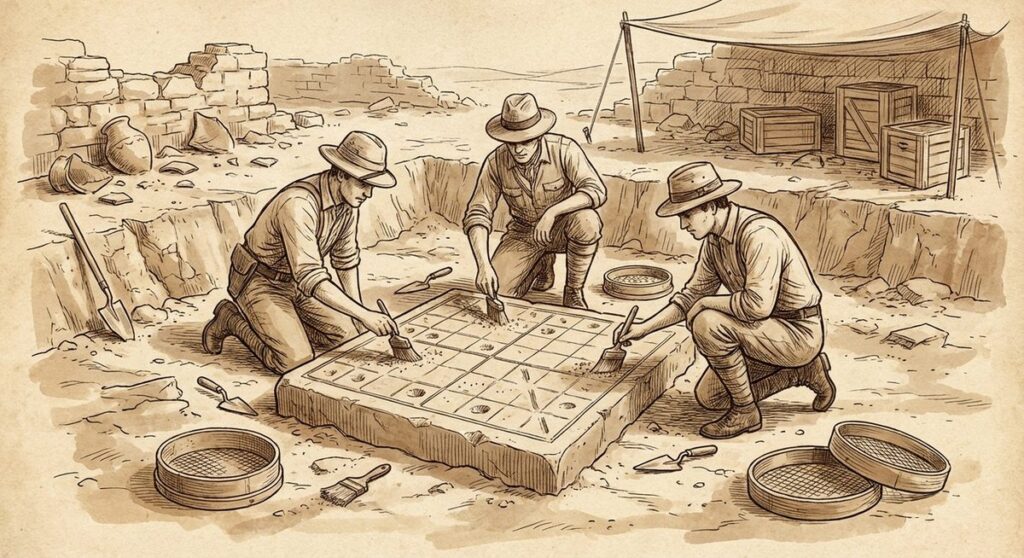
Unearthing Humanity’s Oldest Pastime When archaeologists carefully brush away millennia of dust and debris, they sometimes uncover something unexpectedly human: a game board. Not a weapon, not a tool, not a religious idol — but a surface designed for play. These discoveries tell us something profound about our species. Even in the earliest complex societies,

The Oldest Board Games Ever Discovered: A Journey Through Time Read More »

Dice Through the Ages: From Knucklebones to Casino Craps

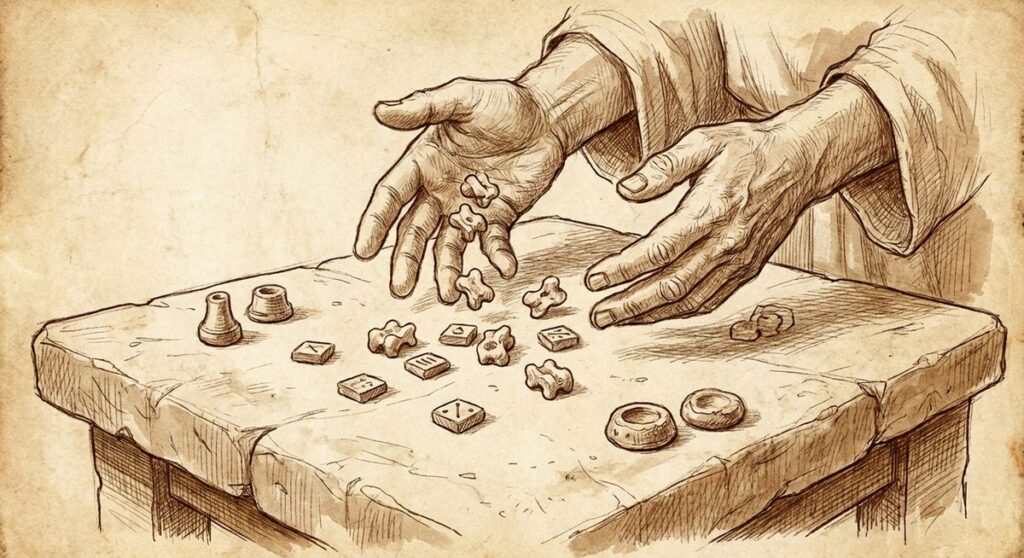
The Oldest Randomizer in Human History Before there were coins to flip, before there were wheels to spin, before any mechanical or electronic device existed to generate a random outcome, there were dice. Or, more precisely, there were bones. The ankle bones of sheep and goats — called astragali or knucklebones — were humanity’s first

Dice Through the Ages: From Knucklebones to Casino Craps Read More »

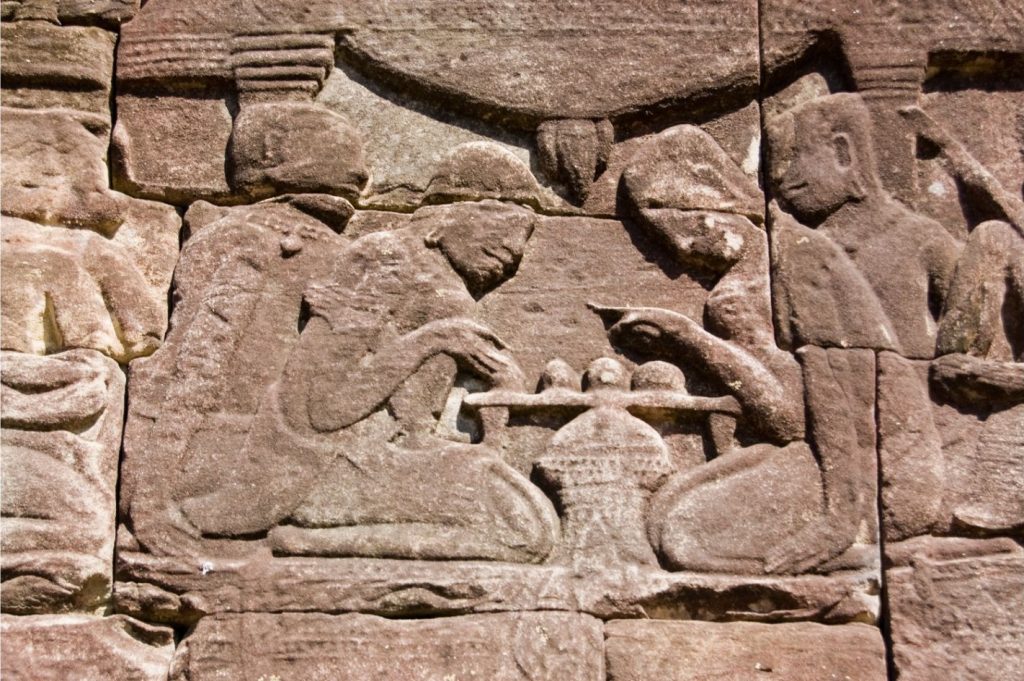
Board Games in Ancient Art: Visual Evidence of Play Across Civilizations

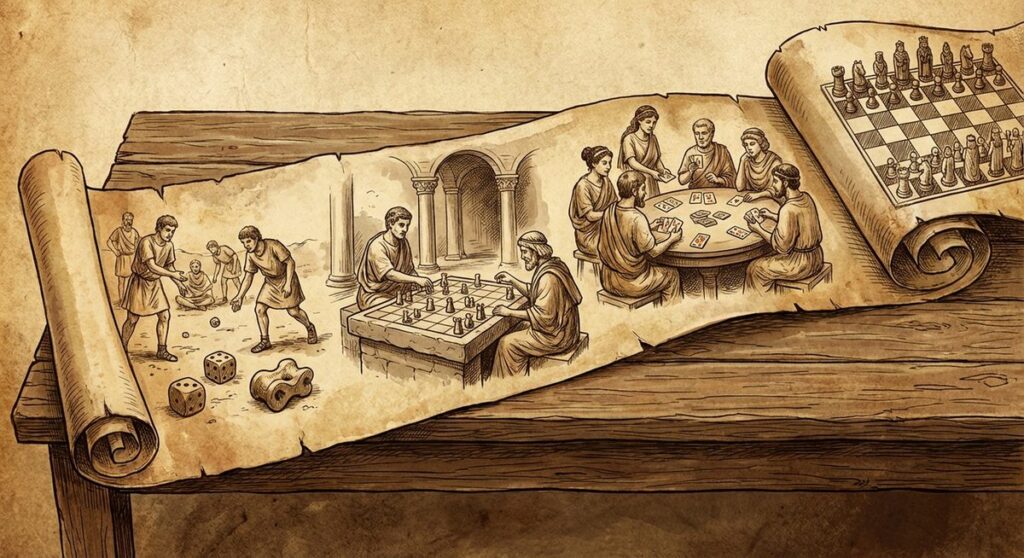
When Artists Captured the Act of Play Games leave behind game boards and playing pieces, and these physical artifacts tell us much about what ancient people played. But there is another category of evidence — equally important and often more revealing — that tells us how they played: art. Across the ancient world, artists depicted

Board Games in Ancient Art: Visual Evidence of Play Across Civilizations Read More »

Craps origins

History of Craps: From Medieval Hazard to America’s Favorite Dice Game

Walk onto any bustling casino floor, and you will inevitably be drawn to the loudest, most energetic table—the one surrounded by a crowd cheering, groaning, and high-fiving in unison. This is the world of Craps. More than just a game, it is a communal experience, a high-octane spectacle of luck and camaraderie. While it feels

History of Craps: From Medieval Hazard to America’s Favorite Dice Game Read More »

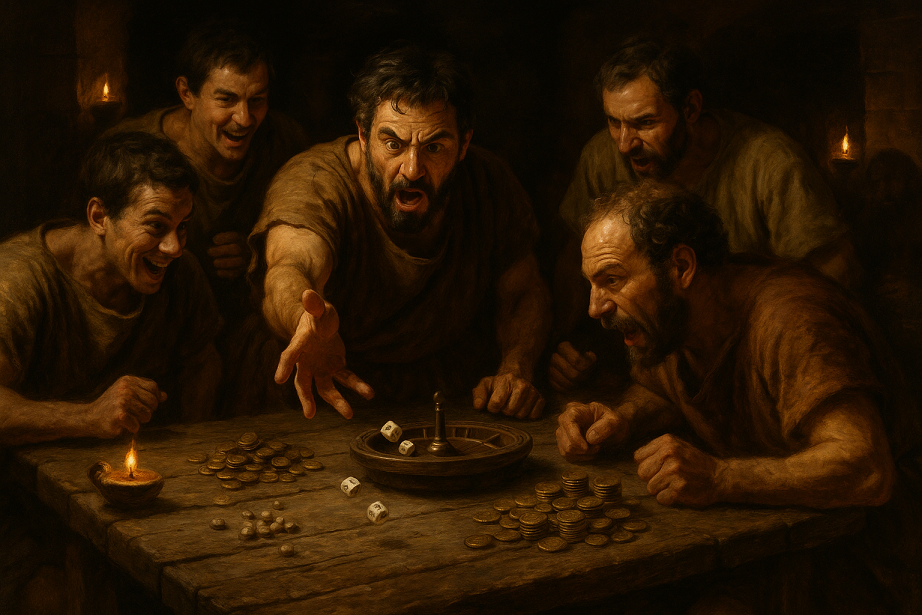
Tesserae and Tali: How Roman Dice Games Became the Ancestor of Craps

The unmistakable sound of dice tumbling across a felt table is a cornerstone of the modern casino experience. But this thrilling game of chance has roots that stretch back over two millennia, to the taverns, military camps, and villas of ancient Rome. The Romans were fanatical gamblers, and their favorite games, played with Tesserae (dice)

Tesserae and Tali: How Roman Dice Games Became the Ancestor of Craps Read More »

Scroll to Top