Roman Games

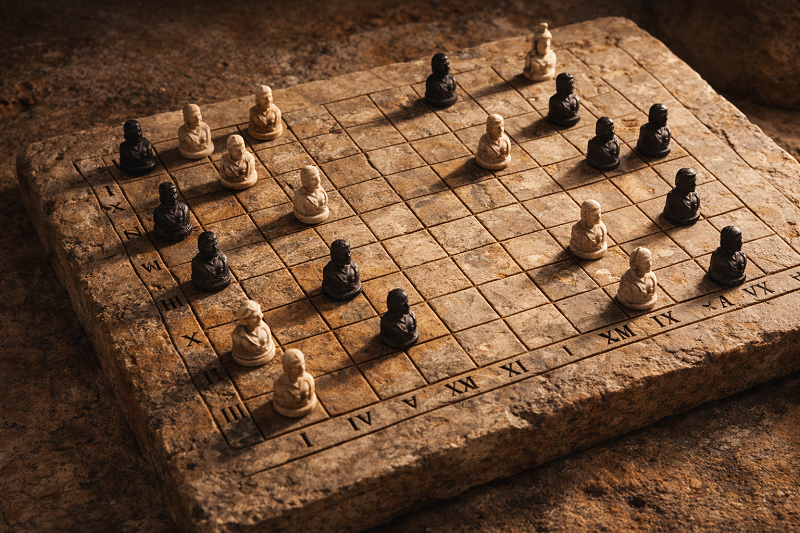
Latrunculi: The Lost Roman Strategy Game of Military Tactics

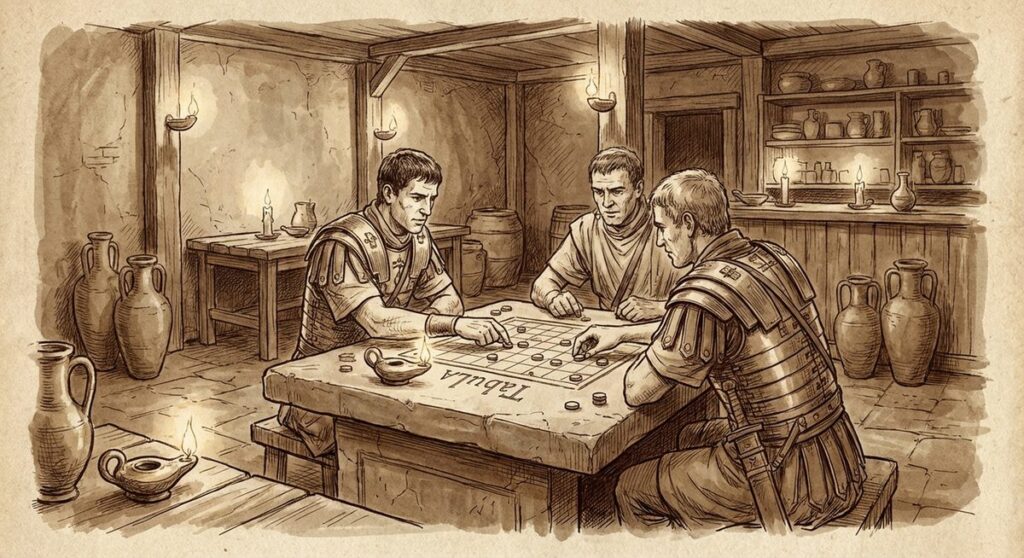
In the shadow of the Colosseum, within the regimented confines of military encampments along Hadrian’s Wall, and in the elegant villas of patrician families, ancient Romans gathered around game boards to test their strategic prowess in a contest of pure intellect. Ludus Latrunculorum—the “Game of Soldiers” or “Game of Brigands”—was the Roman Empire’s premier board

Latrunculi: The Lost Roman Strategy Game of Military Tactics Read More »

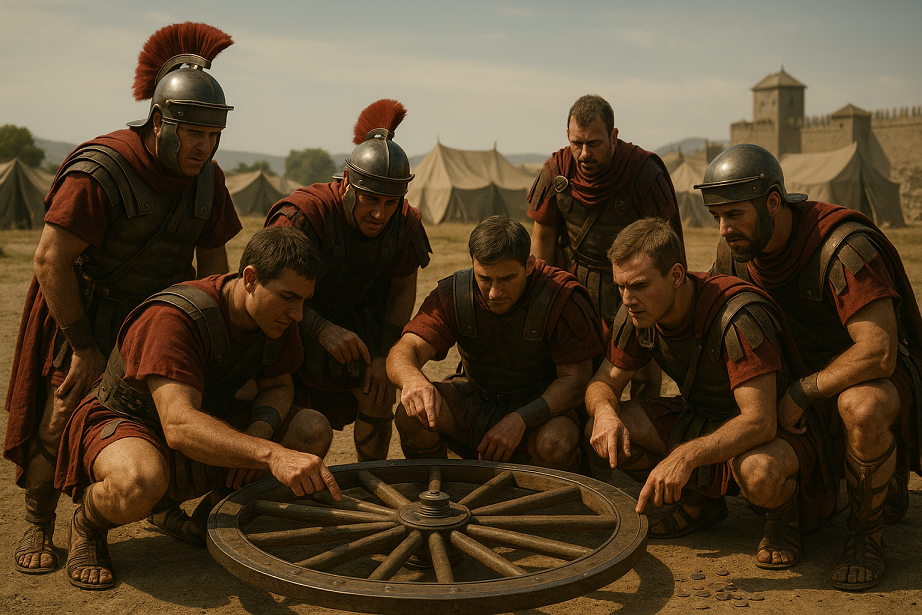
Rota Fortunae: How the Roman Wheel of Fortune Became the Ancestor of Roulette

Reading this history: “Ancestor” in the page title should be read as a comparison of imagery, not a demonstrated chain of invention. No primary evidence establishing a Roman game called Rota Fortunae as the direct ancestor of roulette is supplied here. Rota Fortunae, the Wheel of Fortune, is a powerful image of changing luck. A

Rota Fortunae: How the Roman Wheel of Fortune Became the Ancestor of Roulette Read More »

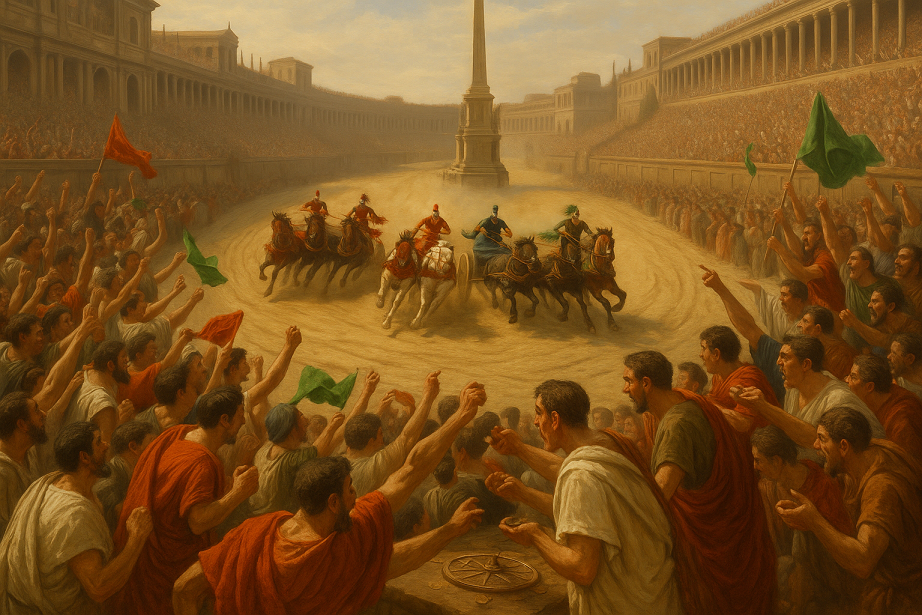
Circus Maximus: The Roman Origin of Modern Sports Betting

Before the existence of online sportsbooks, point spreads, and fantasy leagues, there was the roar of 250,000 fanatics, the thunder of hooves, and the thrill of a life-changing wager. The venue was the Circus Maximus in Rome, and the sport was chariot racing. This ancient spectacle was more than just entertainment; it was the birthplace

Circus Maximus: The Roman Origin of Modern Sports Betting Read More »

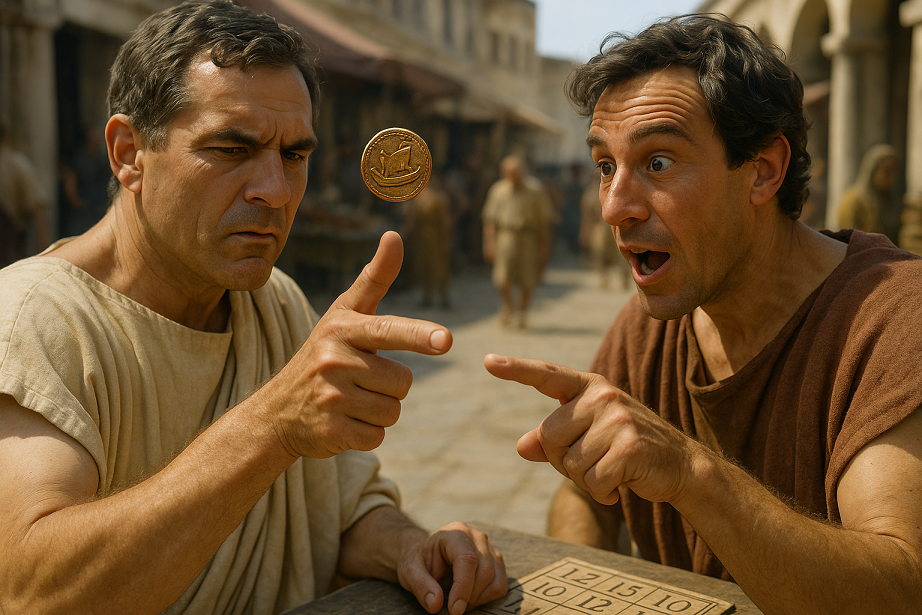
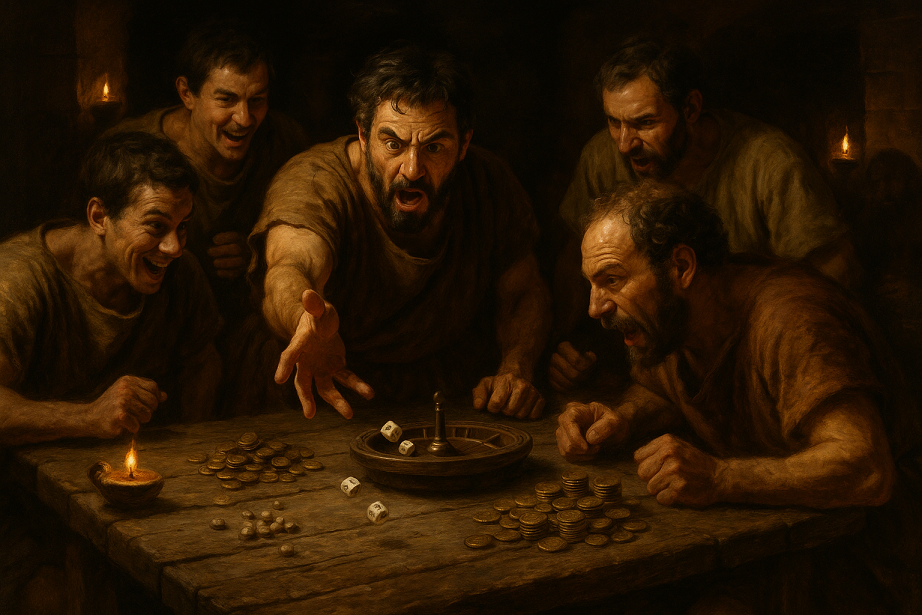
Navia aut Caput: The Roman Coin Toss That Became Baccarat’s Core Bet

Navia aut Caput, usually translated as “Ship or Head,” is associated with Roman coin-tossing. It offers a simple comparison with modern wagers on uncertain outcomes. It is not an established ancestor of baccarat: choosing Player or Banker involves card rules and a possible tie, not a fair two-outcome coin toss. The Simplest Game of Chance:

Navia aut Caput: The Roman Coin Toss That Became Baccarat’s Core Bet Read More »

Tesserae and Tali: How Roman Dice Games Became the Ancestor of Craps

Reading this history: The connection to modern casino dice games here is a comparison of equipment and mechanics. A direct Roman ancestry for Craps or Sic Bo is not demonstrated. The unmistakable sound of dice tumbling across a felt table is a cornerstone of the modern casino experience. But this thrilling game of chance has

Tesserae and Tali: How Roman Dice Games Became the Ancestor of Craps Read More »

Roman-Rota-Game

Rota

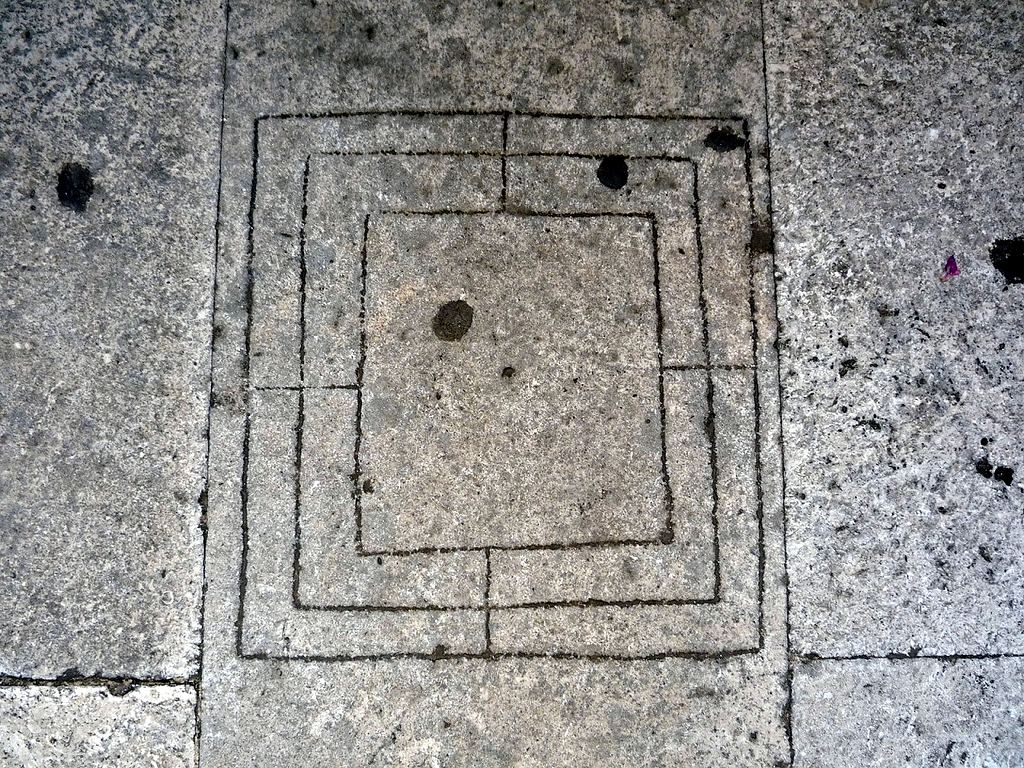
Origin and Discovery Rota, a game from ancient Rome, is often found carved into stones along Roman roads and buildings throughout the vast Roman Empire. The original Roman name of the game remains unknown. The name “Rota,” meaning “wheel” in Latin, was given by Elmer Truesdell Merrill in his 1916 article, where he first introduced

Rota Read More »

Scroll to Top