LearnThe story and rules
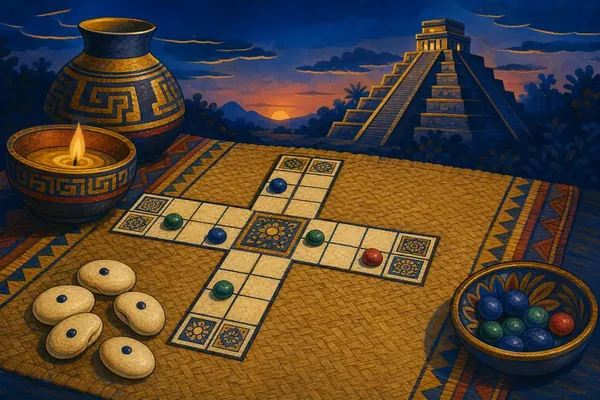
How Leonard Woolley found the board in 1926, and how a Babylonian tablet let Irving Finkel rebuild the rules.
Explore the history4,500 years. Your next move.
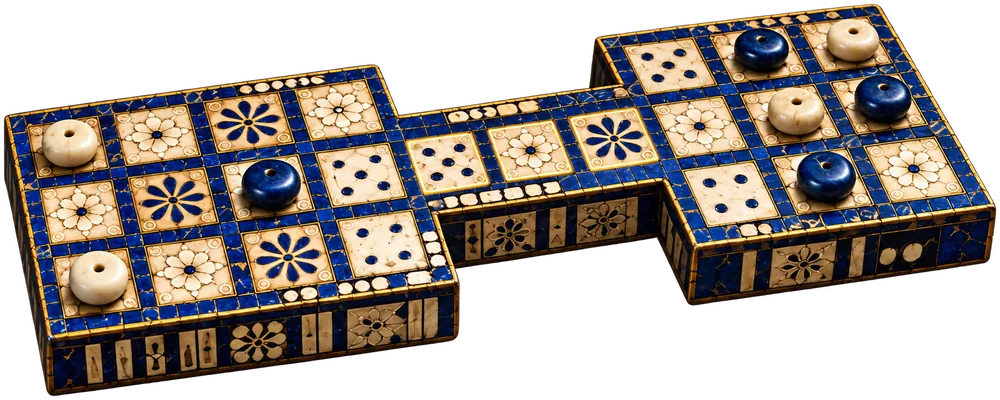
Start with the Royal Game of Ur, the oldest board game we can still play. Beat the board in under three minutes.
Royal Game of Ur Demo
 Your pieces waitingHomeBoard waitingHome
Victory
+50 XP
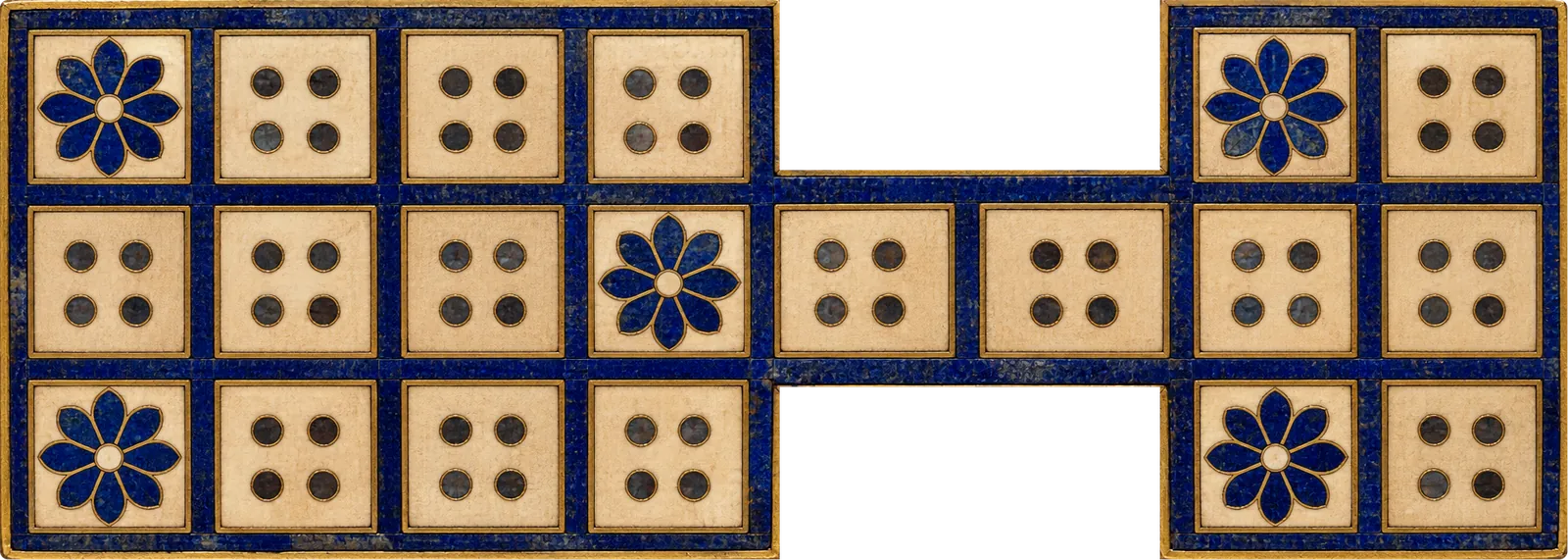
Count the lit tips (0-4). Move one of your pieces that many squares along the gold path. A rosette gives another throw.
New Ancient Originals
Built from the real rules of the Roman taverns and the wheel of Fortune, with a daily run that is the same for every player.
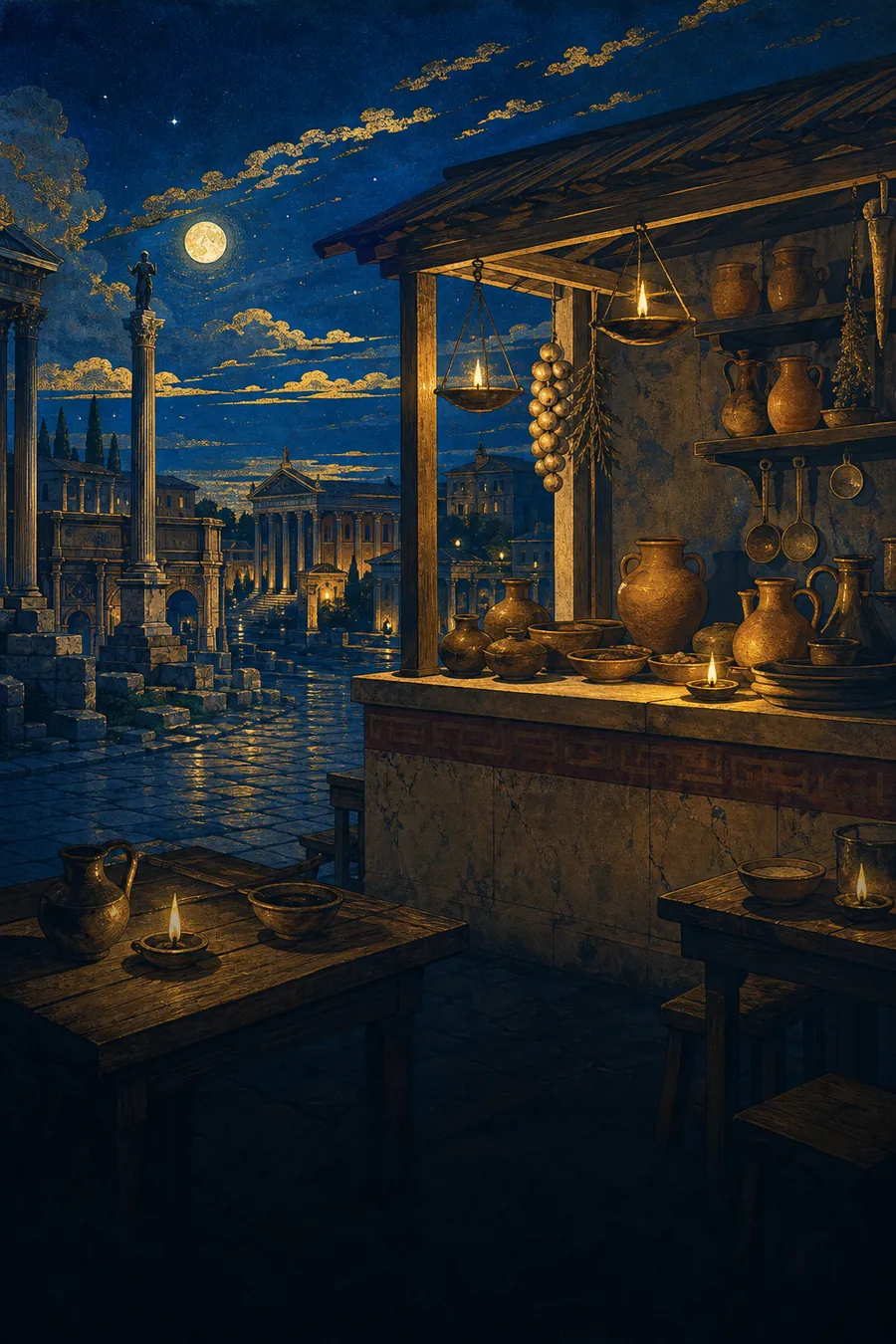 Dice · RomeBone PokerFour knucklebones, poker hands and nine opponents from the taverns of Rome up to the Emperor.Play free
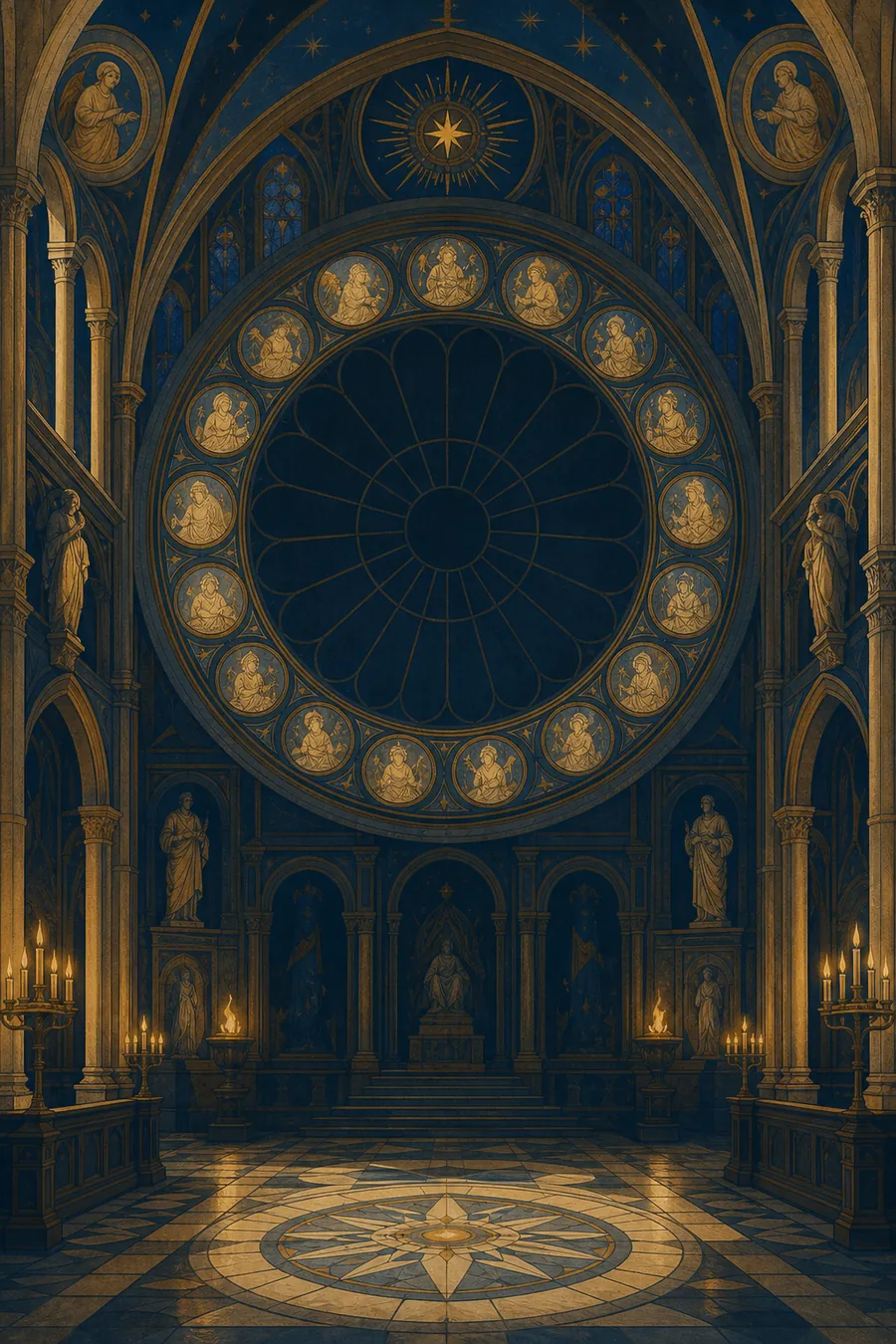 Wheels · Rome to ParisFortuna's WheelBuild your own wheel, spin or bank, and carry it through four eras to the gaming rooms of Paris.Play free
And the classics, all scored in the Arena:
02 The Lineage
Different games. Shared ideas. A journey through time and across cultures.
Connections include documented transmission and related traditions. Dates are approximate.
03 Three ways in
Every game on Ancient Games opens three doors. Read how it was found and played, sit down at the board as players did 4,500 years ago, or take the modern version for a fast round. Same game, your pace.

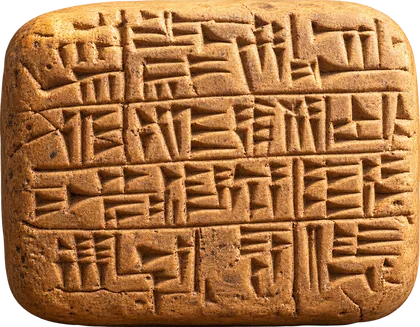
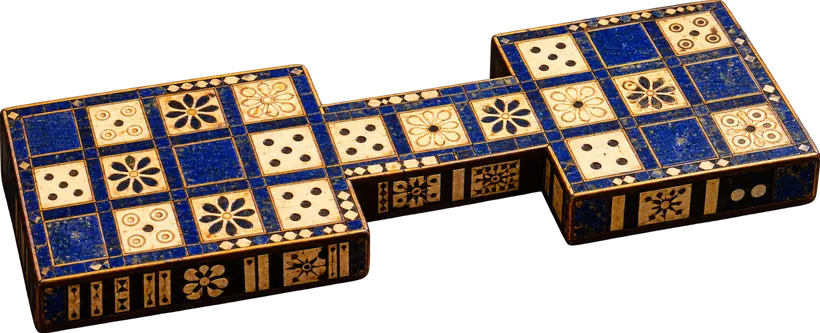
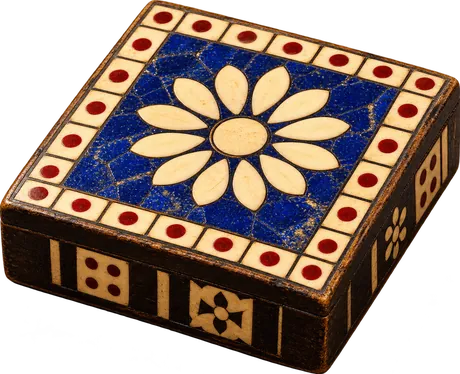
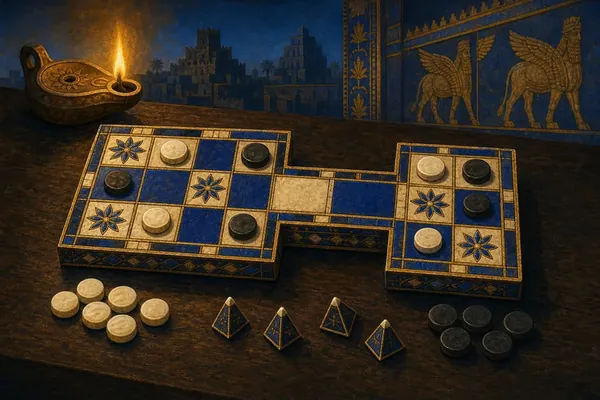
How Leonard Woolley found the board in 1926, and how a Babylonian tablet let Irving Finkel rebuild the rules.
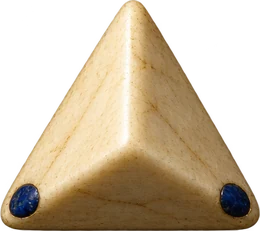
Explore the historyThe full race as Finkel reconstructed it: seven pieces a side, four pyramid dice and five rosettes.
Three pieces, a ticking clock and combo throws. The same board, built for a coffee break.
04 Game of the week
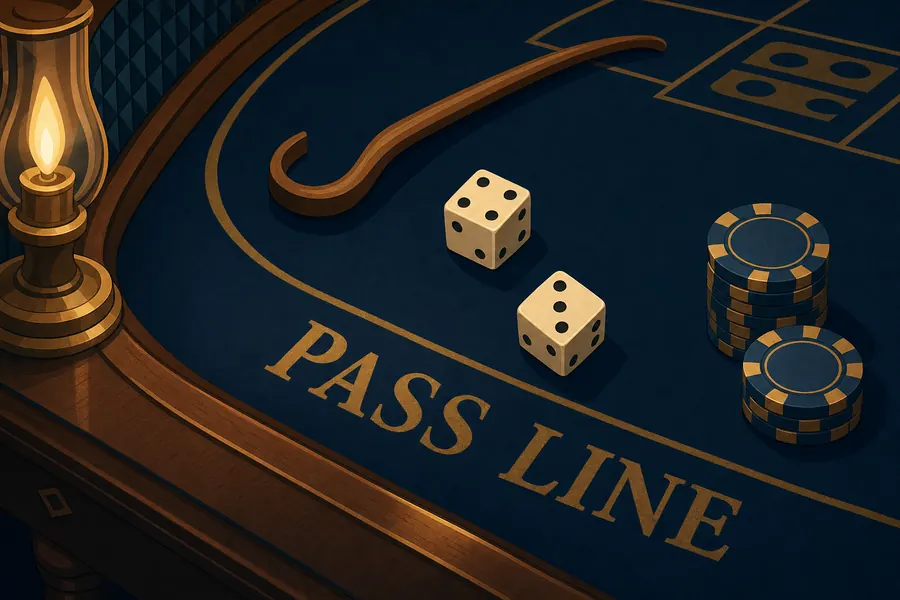
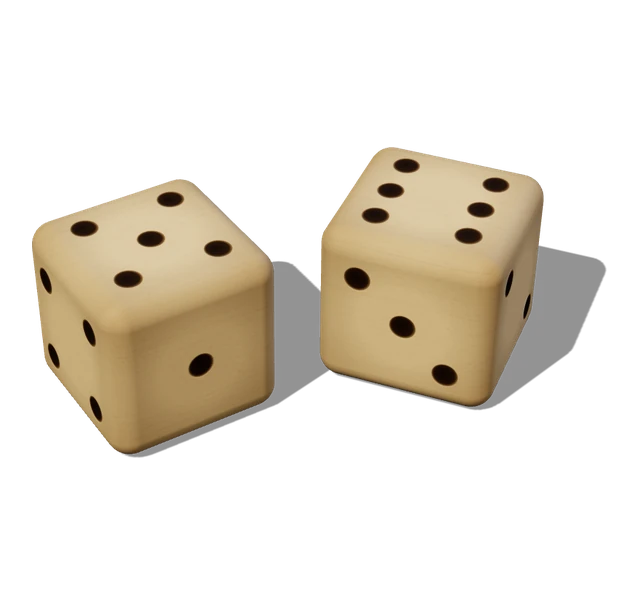
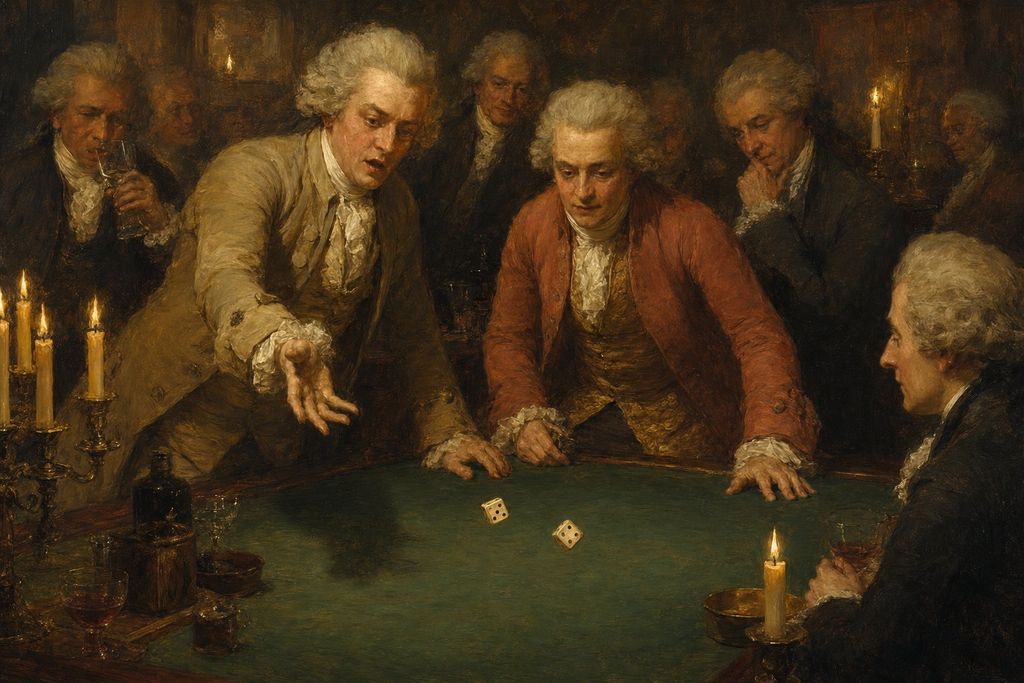
Two dice, a caster who names a "main" between 5 and 9, and a long list of rules for what follows. Hazard was played in English taverns by the 14th century. Simplified in 19th-century New Orleans, it became the Craps table you see today.
Discover Hazard
Every board in a museum case was once worn smooth by someone's hand. We rebuild the rules from the evidence, and we tell you where the evidence stops.
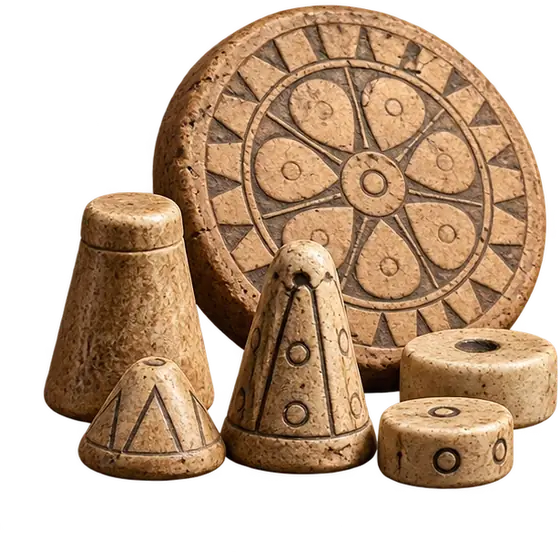
Five thousand years of game history, from Egyptian Senet boards in royal tombs to medieval Nine Men’s Morris carved into church pews.
Free boards inspired by historic games, with the implemented rules and the limits of their reconstruction explained on each game page.
Later games beside the ancient traditions behind them. Some connections are documented history, others only resemblances in play.
Modern Casino Sites by Country: Canada · United Kingdom · United States
Games are one of the oldest shared habits of humanity. Boards, dice and pieces turn up in royal tombs, army camps and village squares on every continent, across every culture and period, and they show how people thought, prayed and competed.
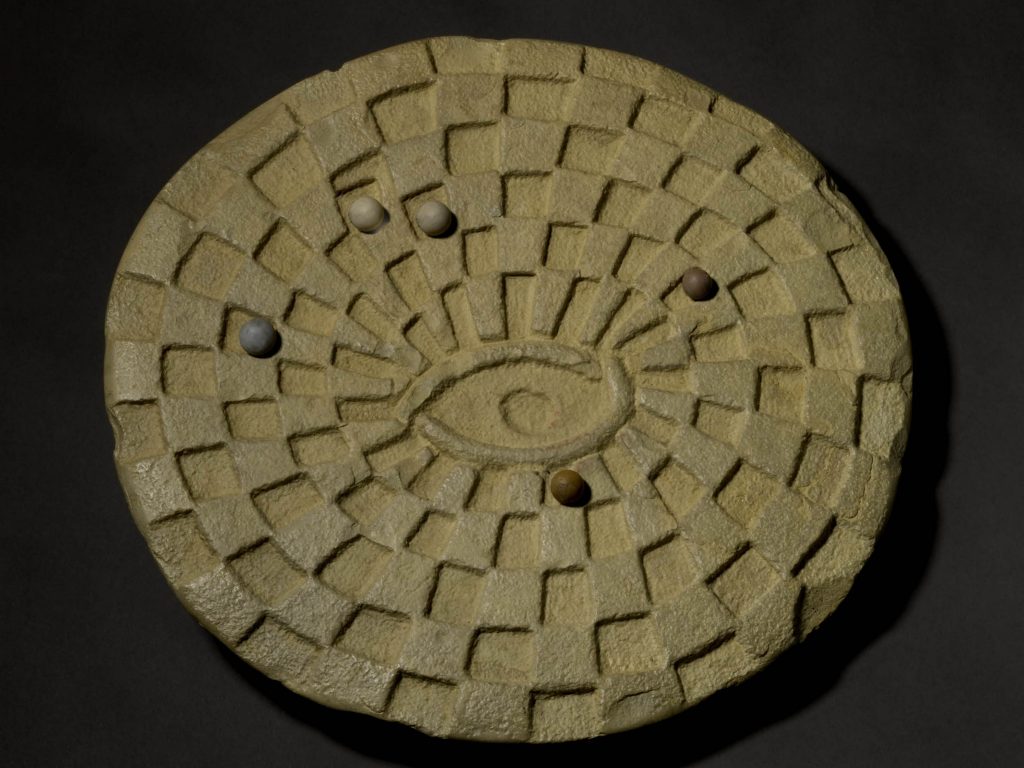
Long before modern technology, ancient civilizations played a wide range of games, some of them thousands of years before the common era. Many were rooted in religious and cultural practice and doubled as tools for teaching, social interaction and even spiritual life. They are a window into the past, showing the cultural, intellectual and social values of civilizations long gone.
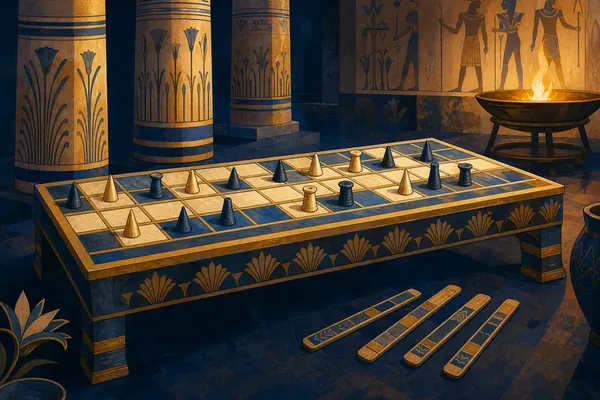
Games often mirrored the structure and beliefs of the society that played them. In Egypt, Senet was tied to the journey of the soul through the afterlife. In Mesoamerica, the ball game carried myths and the cosmos. Early sets were made from bones, shells, stones and sticks, some of them used for divination. Games were central to social bonding, used in teaching, and acted as markers of social status. For the elite, games like Senet and the Mesoamerican ball game held religious significance and were also given as diplomatic gifts. A shared material or mechanic between an ancient and a modern game does not prove descent, a distinction our histories keep.
Many of those games are still played, on boards and on screens. Card and table games such as blackjack and poker evolved over centuries and are now found at online casinos around the world, including those available to players in Canada.

Boards, pieces and depictions in art are the main evidence for how ancient games were played and what they meant. They are not just remnants of leisure but records of daily life, belief and interaction. Board games likely originated in the ancient Near East, with the earliest pieces found in Turkey dating back 5,000 years. The Royal Game of Ur, dated to 2600 to 2400 BCE, was played across the region and carried astronomical meaning.
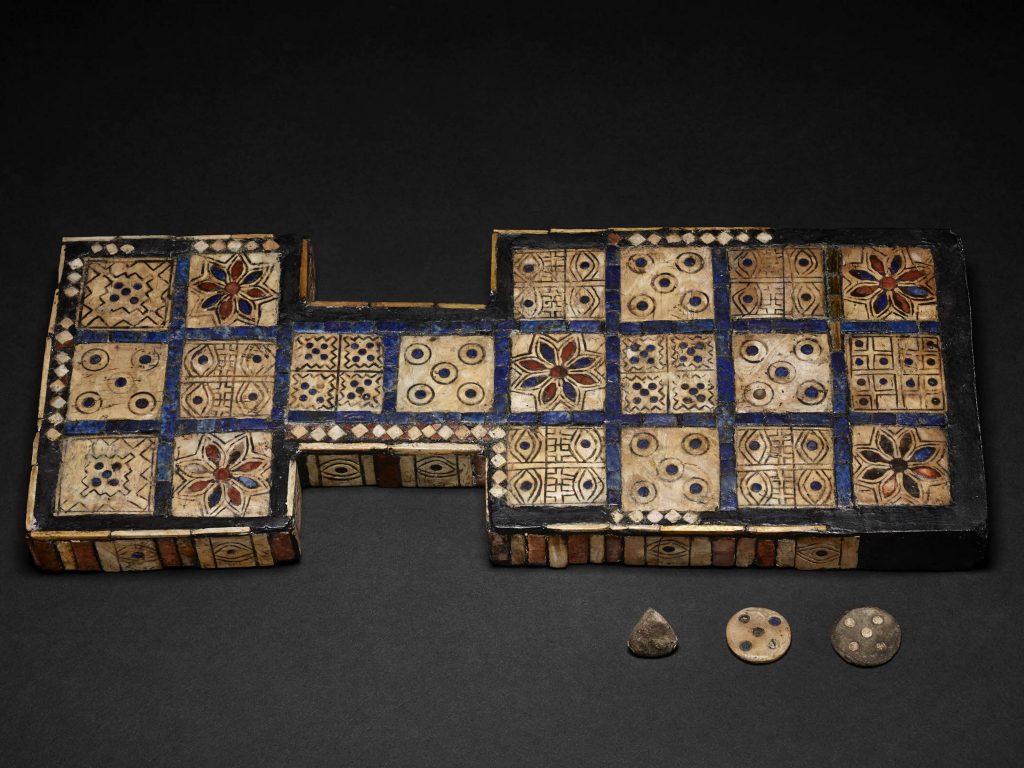
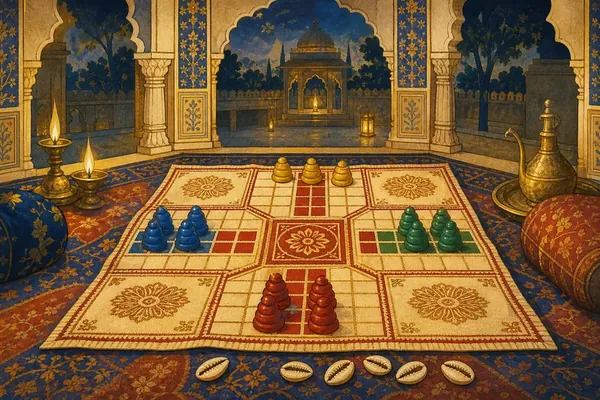
Greece and Rome played Episkyros, Harpastum and an early form of tic-tac-toe. After the Muslim conquest of Persia, Shatranj spread through the Arab world. In India, Chaturanga, the ancestor of chess, took shape in the Kushan or Gupta periods as a symbol of military strategy, and Carrom and Snakes and Ladders followed later.
From the Near East to Europe, Asia, Africa and the Americas, games have served as teaching tools, as markers of status and as part of ceremonies and rituals. Through them we can trace the development of strategic thinking, social interaction and cultural values across civilizations. That shared heritage is what this site sets out to trace, one game at a time.



05 Before you play
Short answers on how the games, the rules and the Arena work.
Yes. Every game is free, with no money involved. XP has no cash value.
Original modes use documented or reconstructed historical rules. Modern modes turn them into shorter, faster rounds and are labelled as such.
From surviving boards, written sources and archaeological research. The rules of Ur come from a Babylonian tablet of 177 BCE. Where the evidence is incomplete, we say which assumptions we made.
You earn XP by winning games, answering trainer questions and finishing quizzes. Three challenges reset at midnight UTC. XP is never given for visiting a casino or signing up anywhere.
No. Your XP, your age and the artifacts you have found are saved in this browser. Save a nickname in the Arena if you want your score to show on the daily board. Clearing your browser data clears your progress too.
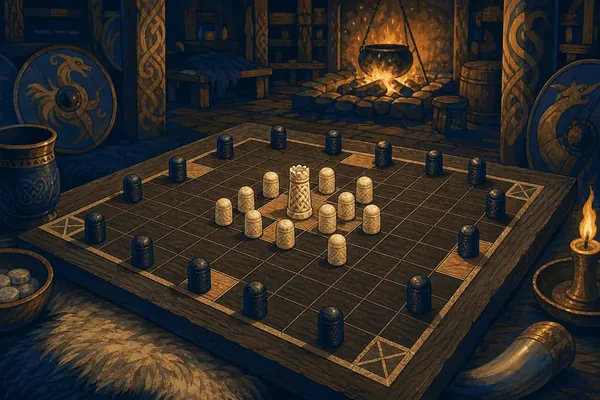
The Royal Game of Ur, as a three-piece Quick Race or the full seven-piece game, and Hnefatafl against the board. The craps trainer and quiz are on the craps odds page. More originals from the dice, race and strategy families follow in the next stages.
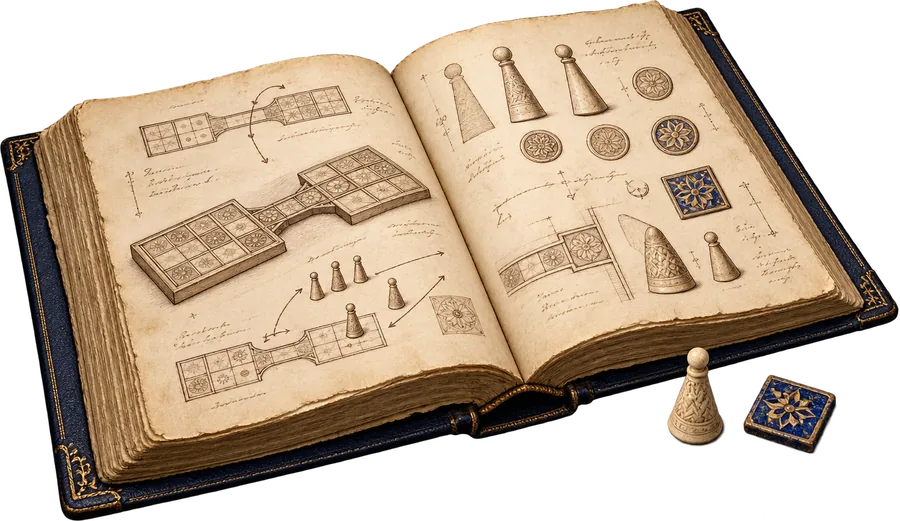
Most ancient games reach us as objects without instructions. Leonard Woolley lifted the Royal Game of Ur out of a grave in the 1920s, and for fifty years nobody knew how it was played. Sometimes a text closes the gap: a clay tablet written in 177 BCE gave Irving Finkel the moves for Ur, and Linnaeus noted down Tablut in Lapland in 1732, which is how Hnefatafl can be played today. Where no source exists, a reconstruction is a careful guess, and each game page says which parts are evidence and which are ours.
A game that has lasted four thousand years has been tested by more players than any modern design. Playing Ur against the board, then reading how Hazard turned into Craps, shows the same ideas surviving in new clothes: a race, a gamble, a capture. That is the thread this site follows, one family at a time.
All casinos for Ontario Also: Canada · United Kingdom · United States
Popular guides: PayPal casinos in Canada · Instadebit casinos in Canada · Craps sites in the US
Learn a game, play the original, then the modern table. Every game here is free, with no money involved.